04 02 2026 at 09:00
Certification in Practice: PMO story, from certification to concrete results
In our Certification in Practice series, we highlight how PMI certifications translate into real impact over time, through hands-on delivery, obstacles overcome, and lessons learned.
From certification to a PMO calling
My PMO professional journey began in 2019. By that time, I had already earned my PMP certification and was an active member of a rapidly growing project management community. As a project manager with substantial hands-on experience, I was increasingly focused on the systems, practices, and organizational approaches that enable the effective implementation of projects and programs. One day, colleagues from the PMI Ukraine Chapter told me that a renowned international expert would soon be coming to Kyiv to deliver a workshop they believed was worth attending. I’ve always been someone who says “yes” to opportunities because you never know where they might lead. So, I signed up without hesitation.
That workshop marked my first encounter with Americo Pinto from the PMO Global Alliance, and it was the first time I had the opportunity to learn directly from his lectures. Our cohort included around 40 participants, and I was genuinely surprised to learn that some people had traveled from other countries just to be there. That detail stayed with me and reinforced my sense that the knowledge and professional insights being shared by the expert were truly special.
The program concluded with an exam, which I passed, earning the PMO Certified Practitioner certificate from the PMO Global Alliance. Beyond earning the certificate, I gained practical, experience-based answers to key professional questions. This marked my starting point as a PMO practitioner, and from that moment on, the concept of the Project Management Office fully captured my professional attention.
Applying the learning in day-to-day work
Of course, earning a certification is an important milestone and a great achievement. However, having the opportunity to apply the knowledge in practice right away is even more valuable. I was fortunate to have such a brilliant professional opportunity that allowed me to do so. Right after obtaining my certification, I was appointed to the position of Program Director at the East Europe Foundation, a project-oriented Ukrainian non-profit organization that has been implementing international technical assistance programs aimed at development and innovation.
I stepped into this position with a five-year plan focused on strengthening program staff capacity in line with professional management standards, as well as building a project-oriented organizational culture, processes, and infrastructure. The goal was to shape the entire internal landscape to create the most favorable conditions for high-quality program implementation and ensure strong partner and donor satisfaction. I had a clear vision of the system to be introduced, drawing on my prior hands-on experience in program management roles within the organization and my PMI credentials. Within this framework, I defined the PMO as a core operational component of the overall system.
Designing the PMO concept
Professionals who understand PMO, its nature, and its role know that establishing a PMO is essentially a resource decision. For management to make this decision, they must clearly understand the importance of this step, the role and functions of the PMO, and most importantly, the value the PMO brings in the specific context of the organization, rather than viewing it simply as a new unit. In the case of a non-profit organization, this value-based consideration becomes even more significant.
Inspired by what I learned from Americo, I decided to design the concept of our PMO using the most established approaches. At that time, the PMO Global Alliance provided a tool based on the PMO Value Ring Framework, which supports designing a PMO concept through stakeholder engagement, analysis of their expectations and feedback, and defining a set of PMO functions aligned with the expected value.
The design work was complete, and the PMO concept was ready by early 2020. We were eager to move forward. However, the well-known circumstances of the COVID-19 pandemic changed many of our plans.
When plans changed: COVID, resilience, and maturity
There is a well-known phrase that plans may change, but goals remain firm. This was exactly such a situation. During the COVID period, we leveraged the circumstances to conduct a corporate project management maturity diagnostic and to deliver comprehensive training programs aimed at introducing PMI approaches and professional project management practices across the organization.
Now, looking back, I realize that the outcome is even better than initially expected. These interventions significantly strengthened the project-oriented culture in the organization, which is a critically important precondition for the effective operation of a PMO. The corporate training encouraged employees to pursue professional certifications. Ultimately, the entire PM capacity development effort was translated into greater sustainability and resilience at the organizational level.
In Ukraine, shortly after the COVID restrictions, we faced a full-scale war. This became a moment of dramatic challenge and a true test for the organization’s ability to continue operating despite extreme circumstances. Today, we can confidently say that this test was passed successfully. In 2023, at the PMI Belgium Chapter's PM Fair, I had the opportunity to present the case of the East Europe Foundation, demonstrating how embedding professional project management into the organization’s DNA became a key systemic element of organizational resilience.
Institutionalising the PMO as a Center of Excellence
We returned to the PMO concept in 2024, when the organization underwent significant development of its processes and practices. I also leveraged the time for my professional development by serving as a judging committee member at several competitions, the PMO UA Awards and the PMO Global Awards. This provided a unique opportunity to gain valuable insights and collect best practices related to the design, establishment, and operation of PMOs. Finally, in 2024 the PMO was institutionalized in the organization as a Center of Excellence for project and program management practices.
Our PMO is consultative in nature and often acts as a “laboratory”, consolidating requests from internal stakeholders and clients, and delivering concrete results in response. As of today, these results include the introduction of automated management practices at the project, program, and portfolio levels; a significant increase in the technical competencies of program staff; the development and piloting of an automated program risk management system. Rather than functioning as a traditional organizational unit, the PMO in our organization is a living environment that continuously evolves and adapts to the demands of time and the organizational context.
What makes PMO in non-profits distinctive
Regarding the distinguishing features of a PMO in the non-profit sector, I also received a similar question from practitioner colleagues during a master class I attended in Frankfurt last year. I believe that while a PMO’s day-to-day operations are focused on mastering project management practices to excellence, it must also keep the organization’s mission at the forefront and continuously align these two dimensions.
Moreover, the existence of a PMO in a non-profit organization is a strong indicator of the maturity of the organization’s management system. It sends a clear signal to partners and donors about the high quality of management and, as a logical result, builds trust in the organization as a reliable implementing partner for projects and programs.
That master class in Frankfurt for PMO practitioners was also a unique opportunity to meet Americo Pinto again and personally share this PMO journey, from the inspiration I received from him several years ago to the concrete results of establishing and operating a PMO. I also hope that this story will encourage other non-profit organizations to professionalize their management competencies and work toward greater maturity in this area.
Advice to those aiming to earn the PMI-PMOCP
I would definitely encourage pursuing it. Now, when the PMO Certified Professional (PMI-PMOCP) is part of the PMI certification family, it delivers an even greater systemic impact. Last year, I had an exceptional opportunity to be among the top 100 global experts contributing to the development of the PMI PMO Practice Guide and upgrade my previous certification to the PMI-PMOCP. I can say with confidence that this standard is a synthesis of the best global practices and insights, and it serves as a clear roadmap for practitioners who are considering establishing or evolving a PMO. And if you have a plan or task to set up an effective PMO, just start this professional journey using this global guideline.
The value of a PMO within the management system cannot be overstated. Currently, I serve as Vice President of Programs in the organization and, in practice, perform portfolio management functions. From this portfolio perspective, I can clearly see all the advantages that the PMO brings not only to the project and program level, but also across the organization as a whole. Actually, earning the PMI Portfolio Management Professional (PfMP) certification is my New Year’s resolution for the next step in my professional development, and I am looking forward to new professional insights.
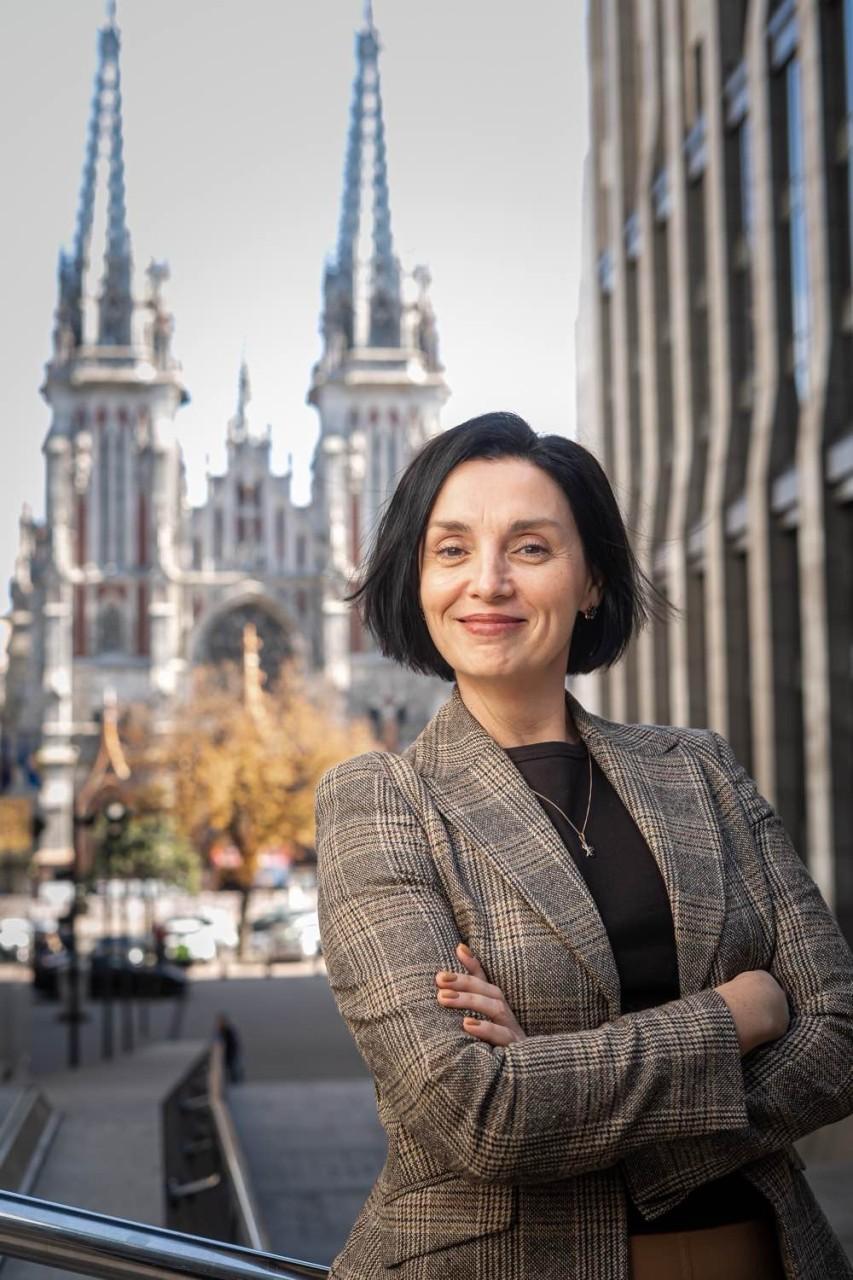
Natalia Slynko, PMP, PMO‑CP
Vice President of Programs, East Europe Foundation (EEF)